

Protein foods that keep you full are the secret to losing weight without feeling like you are constantly fighting your own stomach. Most of us have tried a diet where we eat a tiny salad and feel hungry again just twenty minutes later. That hunger is usually what makes a diet fail, but eating enough protein stops that cycle by telling your brain you are actually satisfied.
The short answer is to aim for 20 to 30 grams of protein at every single meal. When you eat things like eggs, chicken, Greek yogurt, or beans, your body takes longer to break them down. This keeps your blood sugar steady and stops those sudden urges to grab a bag of chips or a candy bar in the middle of the afternoon. It is much easier to stick to your goals when your belly isn't growling at you all day long.
Why do protein foods keep you full for so long?
It all comes down to how your body handles different types of fuel. When you eat simple carbs, like white bread or sugary cereal, your body burns through them very fast. Your energy spikes and then it drops. Protein is different because it is a complex structure that requires more work for your stomach to digest. This process keeps food in your system longer, which sends a constant signal to your brain that you don't need more food yet.
There is also a special hormone in your body called ghrelin. This is the hormone that makes you feel hungry. Studies show that eating high protein meals helps lower your levels of ghrelin. At the same time, it raises the levels of hormones that make you feel stuffed. It is like a double win for your appetite. I remember when I used to eat just a plain bagel for breakfast. I would be starving by 10:00 AM. Once I switched to three eggs, I could easily make it to lunch without thinking about snacks.
Another big benefit is something called the thermic effect of food. This sounds fancy, but it just means your body burns calories just to digest what you eat. Your body uses much more energy to process protein than it does to process fats or carbs. You are essentially burning a little extra fat just by choosing a piece of fish over a bowl of pasta. It is not a huge amount, but over a few months, those small numbers really start to add up.
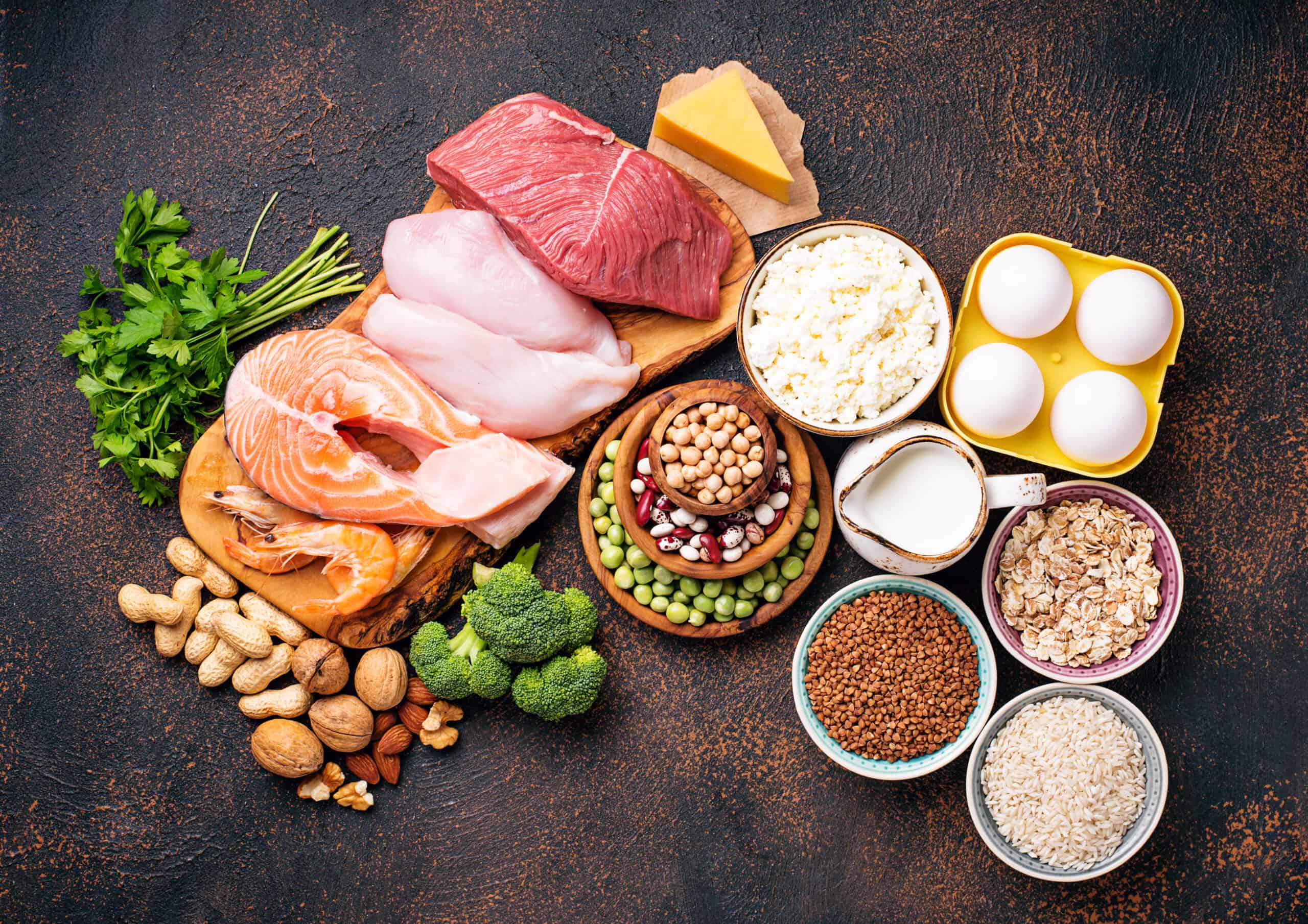
Which high protein foods are best for weight loss?
You do not have to live on plain chicken breasts to get enough protein. There are so many options that taste great and fit into a normal life. Eggs are one of the best places to start. One large egg has about six grams of protein and is very cheap. They are also very versatile. You can boil them, scramble them, or even use them to make a healthy Aloo paratha that does not tear and stays soft if you want a filling meal that feels like comfort food.
Greek yogurt is another powerhouse. A small container can have up to 15 or 20 grams of protein. Make sure you buy the plain kind, because the flavored ones are often full of hidden sugar. You can add your own berries or a little bit of honey to make it taste better. I like to use Greek yogurt instead of sour cream on my tacos. It tastes almost the same but gives me a huge protein boost that keeps me full until bedtime.
Lean meats like turkey and chicken are classic choices for a reason. They are almost pure protein with very little fat. If you are a vegetarian, lentils and chickpeas are your best friends. One cup of cooked lentils has about 18 grams of protein and a lot of fiber. Fiber is another thing that fills you up, so combining protein and fiber is the ultimate way to stop hunger. Have you ever tried making a cold lentil salad? It stays fresh in the fridge for days and makes a perfect quick lunch.
How much protein should you eat every day?
The amount of protein you need depends on how much you weigh and how active you are. A good rule of thumb for most people is to try to get about 0.7 to 1 gram of protein for every pound of body weight. If you weigh 150 pounds, you should aim for about 105 to 150 grams of protein a day. This might sound like a lot at first, but if you break it up between three meals and two snacks, it is very doable.
For example, if you have 30 grams at breakfast, 30 at lunch, and 40 at dinner, you are already at 100 grams. A quick snack of string cheese or a handful of almonds gets you the rest of the way. It is helpful to track your food for just a week to see where you stand. Most people find out they are eating way more carbs and way less protein than they thought. Adjusting this balance is often the only change people need to make to finally see the scale move.
Eating too much protein is rarely a problem for healthy people. Your body is very good at using what it needs. However, you should always check with a doctor if you have any kidney issues. For the average person looking to lose weight, increasing protein is a safe and proven path. You can read more about the basics of Weight loss to understand how your body uses energy and why these choices matter so much.
How to add more protein to your breakfast
Breakfast is the most common time people fail at the protein game. We are often in a rush and grab a granola bar or a piece of toast. These are mostly carbs and sugar. By the time you get to work, your blood sugar crashes and you want a donut. To fix this, you have to prioritize protein as soon as you wake up. It sets the tone for your entire day and prevents overeating later on.
Cottage cheese is a great breakfast choice that many people forget about. Half a cup has about 12 grams of protein. You can eat it with sliced peaches or even cracked black pepper and tomatoes. If you really love your morning oats, try stirring in a scoop of protein powder or some egg whites while they cook. It sounds strange, but it makes the oatmeal very creamy and adds a lot of staying power. My sister started doing this and she stopped buying vending machine snacks at 11:00 AM every day.
If you prefer a savory start, try a breakfast burrito. Use a whole wheat wrap, two eggs, and some black beans. This combination of protein and fiber will keep you satisfied for hours. You can even make a big batch of these on Sunday and freeze them. Then you just pop one in the microwave for two minutes on your way out the door. No more excuses for a low protein breakfast!
Can you get enough protein on a plant based diet?
Yes, you can definitely get enough protein without eating meat, but you have to be a bit more intentional. Many plant foods are "incomplete" proteins, meaning they don't have all the amino acids your body needs on their own. But if you eat a variety of plants throughout the day, your body puts the pieces together perfectly. You don't have to worry about eating them all in the same bite.
Tofu and tempeh are excellent because they are complete proteins. Tofu is like a sponge and takes on the flavor of whatever you cook it with. I like to press the water out, cut it into cubes, and air fry it until it is crispy. It is a great snack or a topping for salads. Edamame, which are young soybeans, are also fantastic. A cup of boiled edamame has 18 grams of protein. They are fun to eat and very filling.
Nuts and seeds are good too, but you have to watch the portion sizes. While they have protein, they are also very high in fat and calories. A handful of almonds is great, but eating half a jar of peanut butter will not help you lose weight. Use them as a topper for your yogurt or salads rather than the main course. Combining grains like quinoa with beans is another smart way to get a full protein hit while staying vegan or vegetarian.
Tips for shopping and meal prepping protein
Buying protein can be expensive if you aren't careful. To save money, buy meat in bulk when it goes on sale and put it in the freezer. Canned tuna and canned beans are also very cheap and last for years in the pantry. Always keep a few cans of tuna on hand for those nights when you are too tired to cook. Mix it with a little Greek yogurt and mustard for a high protein tuna salad in under five minutes.
Meal prepping is the best way to ensure you actually eat your protein. On your day off, grill four or five chicken breasts or bake a big tray of tofu. Having cooked protein ready in the fridge means you can just throw it on a bed of greens or into a wrap. When the food is already there, you are much less likely to order pizza. I find that if my protein is ready, the rest of the meal comes together easily.
Don't forget about liquid protein if you are in a pinch. A high quality protein shake can be a lifesaver when you are traveling or stuck in meetings. Look for one that has at least 20 grams of protein and less than 5 grams of sugar. It is not as filling as real food because your stomach doesn't have to work to break it down, but it is much better than skipping a meal and getting overly hungry later.
What happens when you don't eat enough protein?
If you try to lose weight without enough protein, you might lose muscle instead of fat. When your body is in a calorie deficit, it looks for energy wherever it can find it. If you aren't eating protein and doing a little bit of movement, your body might break down your muscle tissue for fuel. This is bad because muscle helps keep your metabolism high. The more muscle you have, the more calories you burn while just sitting on the couch.
You might also notice that your hair, skin, and nails look dull or weak. Protein is the building block for almost everything in your body. If you feel tired all the time even though you are sleeping, it might be a sign you need more protein. When I finally increased my protein intake, my energy levels stayed flat all day. I stopped having that "3:00 PM slump" where I felt like I needed a nap. It truly changes how your body functions.
Lastly, not eating enough protein leads to "food noise." This is when you can't stop thinking about your next meal. You find yourself looking at the clock every ten minutes. When you eat enough protein, that noise goes away. You can focus on your work or your family because you aren't distracted by hunger. It gives you a sense of control over your food choices that you just don't have when you are living on toast and salads.
Start by looking at your next meal. How can you add 20 grams of protein to it? Maybe it is adding a side of cottage cheese or putting some chicken on your salad. Try doing this for just three days and see how much better you feel. Do you notice that you aren't reaching for the snack bowl as often?


0 Comments